mercredi 27 octobre 2010

Free or Paid apps?

Just read a very good article from Loïc Le Meur entitled "How much can you really make developing mobile apps?", written two months ago but just came accross it today, so that's why Loïc I can't post a comment anymore on your article.

You are making a very good point here I think, that is that in the "App World", the revenue stream is still for a happy few, and very far from representing the increase so much expected in mobile eCommerce.

Here are the different points I'd like to make on the subject you raised Loïc:

1. It's not a geek contest, but a business you know!!

I don't know why, but many people saw in those stores a chance to break the barriers that exist in the real world (by opposition to the virtual, eCommerce world); that is "hey, I'm going to make a great app, post it, and make revenues because anybody can make good apps", even if I could argue on what is a "good app".

Let's talk about games for example, 2nd category of content on the AppStore according to 148apps.biz, you are competing against large studios who invest few hundred thousand euros on each game, have dedicated studios to make trailers and other videos, dedicated sales and marketing teams in each major Apple markets. Guys, just like on PC, you need to realize that you're on a much different scale, not the same ball park! Would you launch a MMORPG like WoW tomorrow? They also had the early entrants advantage... Even Angry Birds is a one shot, the difficulty is in making it a sustainable business! Angry Birds made 3 million free downloads on Android, let's see how it does at £3 on OVI.

So like in any other business environment, you need to create good products but also market it, and market it as a professional just like the rest of the gaming industry!

There are just two differences:
#1 - You are competing against the rest of the world in one market place... over 40,6K games on the AppStore, that's tough!
# 2 - Viral marketing can be at your advantage: many of those tools are reachable (not expensive) and with a good viral marketing you can overcome part of the difficulties in making your games known to the public, and hence affect Apple's rankings eventually. Especially if you can target local consumers with an app that speak to them more particularly (I don't know, an ap with the best happy hours in pubs for the UK market?)

The only chance an independant, small dev has is to play on the viral part.... I think. And remember, the objective for most people is not just to break-even, but to make it a good business. Of course some hope to be purchased as those days it seems some VC are willing to pay big bucks....!

2. Building apps for others, not a jackpot but an expertise to built a sustainable business around.

The second way of making money with Apps is by creating apps for others; for a company who'd like an app (most of the time free). You want to have your banking done on your mobile, your social stuff, your subway map, find a McDonald store, etc... Consumers are looking for things they know, brands they know, or experience they want to have on their mobile.

More and more obviously chose this path as a business model. True native apps vs. web apps, honestly I don't know but for sure there's a huge room to grow here.


3. Other stores than Apple's AppStore

Loïc, you only mentioned Apple's AppStore and you are right. As of today, it's the only mobile app store which generates direct, published, revenue streams for developpers.

Neither the Android Market Place nor Nokia's OVI store have been able to do that, despite the fact that they have been online for almost a year, with millions of downloads a day, etc.!

So to make direct revenues from Apps, well there's just the AppStore, live with it. Why? Because they are the only who have created an efficient environment where they can take money out of consumers's pockets in a easy way! It took them several years to do so as it started with the iPod back in 2003. So they have years ahead of the whole pack in building's consumers's trust!

Direct consequence for developers focused on paid apps: well, it's iPhone, iPad, iPod Touch and eventually Android...

Related posts:

4. The "freemium"

The last alternative left is the "freemium" model; which is to distribute a game for free but make revenues indirectly, through advertisement mostly.

I've always been surprised by the optimism in the industry, predicting huge increases in mobile advertisement. To some extent, it's probably true because it's not very developed and there are loads of new smartphones hitting the market.

However I think there are big limitations, especially with all those stores where you need to be really motivated to buy something:

A. Advertisement aiming at making you buy something on your mobile.

That is advertisement for other apps on iPhone or on other platforms. Well, we come back to point #1 above because what else could you buy on your mobile right now, effciently and in a trackable manner? Well, not much. As long as eCommerce on mobile will be limited to apps and contents, the whole business will be restricted somehow (will still big room to grow from current situation of course).

B. Traditional advertisement, by people like Nike, American Airlines, etc...

This will grow for sure; but how easy will it be to get those large advertisers on your app ? Good idea (if not done already): create an agency to do this link between the myriad of small dev who alltogether can do great results, and the few large advertisers willing to pay for mobile ads!

Any other thoughts are welcome!

mercredi 6 octobre 2010

Data Crunch: the big threat for mobile eCommerce

Credit: foodshare.net
While every body is getting excited over the new mobile devices that shall make our life so much easier (and fun); with great applications and great true web browsing, sharing experience on social medias, etc... there are recent news that didn't attract so much attention, but have a HUGE potential impact on all this.

Whether you're using an iPhone, a Samsung Galaxy S, a Tablet (Apple, Samsung, Dell, etc) or even a laptop with 3G USB dongle; all those mobile devices consume data!! And they consume a lot of data!

There's also wi-fi, but except when you use them at home, those devices are by definition mobile, and chances of finding a free wi-fi connection you can connect on in few seconds wherever you are, well, they are pretty slim unless you spend your time in your favorite coffee-shop that happens to have free wi-fi (and where you're not sharing the connection with the other 20 guys around you).

The issue: data consumption is exploding!

With declining ARPU on voice declining fast, all operators (or almost) went into the data segment to get back on the growth curve. It took off with 3G as well as with USB dongles. And it's working great for them. It's actually working too well! The smartphones and the tablets are totally exploding data consumption as shown by several reports, to a point where data consumption has surpassed voice consumption already!
  • Validas showing an "overall growth in average monthly wireless data consumption at a rate of 464 percent  from Q1 2009 through Q2 2010"
  • Nielsen sees a 230% YoY growth for the same period
  • Coda Research Consultancy quoted in TechCrunch, predicts data traffic to rise 40-fold by the next 5 years, or a  117 percent compound annual growth rate; most of the traffic (68.5%) coming from video
  • Abiresearch finds an annual compound rate (from 2009 to 2015) of 42% and 55% in Western Europe and North America respectively;
  • A nice study from Finnish firm Zokem showing that 50% of data usage on smartphones are comign from apps, the other 50% from the web browser.
When you understand that smartphones roughly represent 30% (at best) of mobile phones in most advanced markets, and when you see their sales roaring, you understand why those firms make such predictions (even if they vary quite a bit).

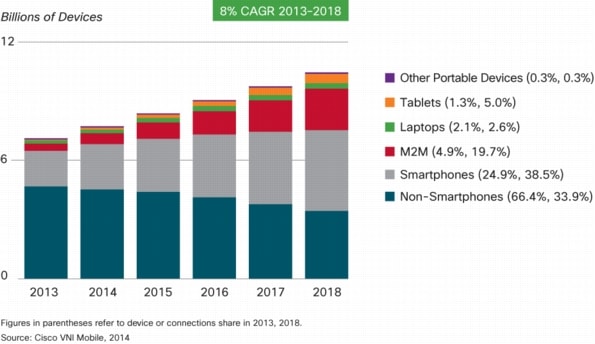
But  also surprising, what many analysis do not highlight, is Cisco's findings that majority of data traffic (70%) will come from laptops and other mobile-ready devices (tablets?)

Source: Cisco

Now any normal person would think: wow, this is great!!! Well, not everyone...

A question of capacity and investment

While all operators see in this trend a great news for their data revenues, which have soared along with its usage; they also see a threat, very short terms, in a sense that, well... they don't have the network infrastructures to withstand such high data demands!!

What mobile operators face, and thus consumers as well, is saturated networks, dropped calls, long connexion time. To cope with this, operators have to invest huge amounts in servers and infrastructures; but it won't be enough and it's most of all impacting their profit margins.

The short to mid term solution is the 4G or "LTE".  Apparently Verizon will announce today at the CTIA its launch of the first American LTE network in the 30 NFL cities (read more here). AT&T has announced mid September launching commercial LTE by mid 2011. I won't argue on the technical aspect of the evolution of the network, but it seems that LTE is the direction most operators are taking.

Now you would say, why hasn't 4G been implemented before or why isn't it implemented at larger scale. I haven't honestly investigated deep in into this, but putting the following 2 information together, you have an aswer, about AT&T (from their press releases):

  • "The company is spending $700 million in capital expenditures on LTE this year and "will go far beyond that" in 2011, Stankey said.
  • "During the first quarter of 2010, AT&T’s mobile data revenue was up nearly $1 billion, surging $947 million to $4.1 billion, up 29.8 percent over last year’s Q1. AT&T says its wireless data revenues have nearly doubled over the past two years."
So on one side they are investing $700 to upgrade the networks, and $4.1 billion in revenues on data just in Q1 (still growing); which will also probably increase again with tiered pricing.

So  the short terms solution is implementing tiered pricing. This means that "true unlimited data plans" are over, and now mobile operators will implement various data plans for different data usage; with main goal to limit the data usage and to keep their profit margins while still investing in necessary infrastructure.

Many operators have already done it:
Now it's true that most consumers, yet, only consume small amounts (below 2 GB per month) and that the data plans are more meant to limit heavy users. For example, in Cnet's article (July), they wrote:

"Those most affected by the change are the 3 percent of customers who AT&T says are using 40 percent of the network assets. These are heavy data users. It will also likely affect iPad users and customers who want to use their iPhone or smartphone as a modem to connect to the Internet wirelessly."
Basically, early adopters of new technologies will be penalized; at least that's what they say, and this represents only a small portion of consumers.
Bottom line: a constrained mobile eCommerce environment!

On one side, operators are giving up the "all you can eat", but on the other side they are all going to launch soon the LTE which will solve many capacity issues (apparently)...

But what worries me most is that the depth of usage of true mobile Internet, in an unrestricted way, is not yet for tomorrow. It's no secret that eCommerce really exploded when Internet connection got cheaper, unlimited and fast (ADSL, fixed monthly plan where you can consume without any limitations).

With all new devices, new usage, new applications, all Internet (and thus data) dependant, if mobile operators are to curb Internet usage, well, it will necessarily slow down its true adoption as a full eCommerce / information space. If usage is increasing, it's because there's simply more people with a decent device being to connect; not because most consumers (will) consider their mobile devices as a their prime Internet device; which is the direction it's taking.

To me, it thus sounds like there's a dichotomy between what the industry is pushing us to use (devices, content, etc), and data consumption limitations.... 

Let's hope that this is just a temporary situation.

An opportunity though...

As in any environment, when constraints are set, there are always smart people developing situations to go around this.

So short term, I would really monitor companies offering services allowing to decrease data needed to send/receive data. We're talking data encryption, video standards, etc.

It makes sense! When gaz consumption is increasing and you want to limit it, either you increase  taxes to limit its consumption; either you build cars more fuel efficient. All manufacturers have chosen the latter solution; so why isn't the mobile industry doing the same?

Interesting articles

vendredi 1 octobre 2010

Mobile OS war; Nokia's symbian losing 2 major supporters

In past few days, 2 major phone manufacturers, i.e. SonyEricsson (Sept 24th) and Samsung (Oct 1st); have announced that they will not longer support Symbian.

Per se it's not so surprising since SE is really struggling and Samsung has developped its Bada; and both are fully supporting Android!

But it's a serious drawback to Nokia who bought all remaining shares of Symbian in 2008 for €264 million; and looking at the competition coming, even opened the sources of Symbian back in February; hoping for more OEM and developers to use it.

While all the other manufacturers are leveraging the shared experience of Android and also developing their own OS for some markets; this leaves Nokia pertty much alone here. Can Symbian compete against Android in terms of speed of innovation and implementation; for the mass market? The worlds "speed" and "mass market" are critical here; especially since Android phones are starting to compete against Nokia's stronghold: the cheap phones in developing countries.

About the MeeGo, which is the continuation of the Maemo (remember the N900, one of Nokia's biggest failures); are consumers going to wait for it for long (nothing about this at recent Nokia World 2010)? Time is, as always, a critical factor.

But what is truly behind the OS war?
- Ability to innovate and bring those innovations to market, fast.
- Ability to attract developers; as we know that content is a key element of the smartphone business.

Something to follow very close!

jeudi 23 septembre 2010

Interview With Mark Zuckerberg On The “Facebook Phone”

I am sure you have all heard the rumour about Facebook planning on buidling a mobile phone.

3 - INQ phone
TechCrunch did publish an Interview of Facebook CEO's Mark Zuckerberg about the subject. His interviews are pretty rare, but given the increasing importance of social networks, especially on mobile (which is to overcome desktop internet very soon according to Morgan Stanley), this one is a "must read" I think.

Couple interesting extracts:

"But the basic thing that we’ve found from building social apps and this platform ourselves is that almost any experience or app can be better if it’s social and it has your friends with you. And we just expect there to be really tremendous disruption over the next five years."


"The web is only at one and a half billion people whereas everyone is going to have a phone and all the phones are going to be smartphones. So our strategy is that we want to go wherever people are building apps so we can make all of those apps social if they want that."

" Just make it so that you log into your phone once, and then everything that you do on your phone is social."


Read TechCrunch article!!

What I totally agree on, is whatever is to be done on Mobile, it has to be social: apps, marketing, e-Commerce. A mobile phone has always been a personal thing: a direct access to each individual, then with personal pictures, and now personal information / experience sharing.

Have you ever seen a smartphone promo not mentioning Facebook? I surely didn't. So this is to be watched very closely because Facebook is bringing to the mobile world the same (if not bigger) disruption Apple did couple years ago with the iPhone.

mardi 21 septembre 2010

Contenus mobiles: pourquoi beaucoup d'opérateurs abandonnent la partie!

De nos jours, toute l'industrie, tous les médias, ne font parler que des "applications", les nouveaux développement, les nouvelles plateformes et leur essor incroyable, avec un business très juteux!


AppStore oui, mais Vodafone live?

Néanmoins, on parle beaucoup plus de l'App Store d'Apple, de l'Android Market de Google et eventuellement des portails de téléchargements des autres fabriquants tels RIM (Blackberry), Samsung (avec son Samsung Apps) voir Microsoft (Windows Marketplace) et SonyEricsson. Mais on parle beaucoup moins de l'Orange Store, d'Orange World, de Vodafone Live!, de t-zones ou même de Litmus, la tentative d'O2 de faire dans les apps (ça a été lancé??).


Oui, je vois des pubs SFR, ou Bouygues, ou Orange sur l'iPhone et toutes les applis que l'on peut trouver. Mais ils ne communiquent pas sur leurs propres stratégies "contenus"; il n'y a aucune différentiation sur le produit tel quel. La différentiation se fait sur la tarification du téléphone ainsi que du "pack" data. Et encore, en France on ne peut pas dire que la concurrence fasse rage! L'entrée de Free va-t-elle tout chambouler?


Il y a bien cette dernière nouvelle d'Orange qui verrait bien un OS commun à Orange, Vodafone et Deutsche Telekom, mais bon, le temps qu'ils se mettent à table, on sera en 2015 et d'ici là...!!!


Désinvestissement sur les contenus téléchargeables / applis payantes.


L'absence grandissante (voir totale dans certains cas) des opérateurs sur les contenus mobiles (applications, jeux, etc.) au niveau communication reflète la situation sur le terrain pour une grande majorité des opérateurs de petite et moyenne taille, et une proportion non négligeable des "majors", en Europe mais aussi sur les autres continents! A savoir qu'autant ces opérateurs jouent à fond la carte des smartphones: subventions téléphones, pack internet, etc; avec des offres pertinentes et ciblées pour les jeux (M6 mobiles, NRJ mobile pour la France.); mais peu sont encore ceux qui tablent sur leur propre offre, la majorité "abandonnent" la partie.


En clair, ces opérateurs ne croient plus en la pertinence d'une offre contenus propre, et se positionnent uniquement sur les téléphones et la data; ils n'apportent plus aucun support à leur propre plateforme et même pire, ils externalisent le service à un prestataire de service qui va leur fournir l'hébergement du portail, l'hébergement des contenus, voir même les contenus eux-même en leur donnant mandat de signer les contrats de distribution (en général, de "re-négocier") avec les principaux fournisseurs de contenus. Le message est clair, il faut maintenir un service minimum pour assurer la transition car on a toujours quelques millions d'utilisateurs mobiles "traditionnels" (par opposition aux smartphones); mais au plus faible coût possible.


Rappel: je ne parle pas des "gros" opérateurs qui eux, y croient toujours plus ou moins, selon les cas!


Capitalisation sur les revenus data


Les revenus tirés des contenus mobiles ont toujours été relativement marginaux pour un opérateur; mais assez profitables et surtout leur permettant de communiquer sur des offres pour générer du traffic sur leur portail; et portail = data, seule source d'augmentation de revenus chez les opérateurs depuis quelques années. Donc un contenu d'une relative importance stratégique, musique et jeux mobiles pour la plupart.


Exemple: T-Mobile et Robbie Williams, ou Orange et King Kong pour le lancement de la 3G.


L'avènement de l'iPhone a d'une certaine manière affranchi les opérateurs de leur besoin d'avoir leurs propres contenus pour augmenter les revenus de la data. On comprends donc aisément pourquoi TOUS les opérateurs ont accepté sans broncher le business modèle d'Apple sur les contenus: 70% pour les éditeurs, 30% pour Apple, 0% pour les opérateurs!
L'iPhone, l'arme absolue pour les opérateurs leur a ainsi permis de capter de nouveaux clients (et des clietns "premium") quand ils avaient l'exclusivité (AT&T, Orange France, etc) et de voir une croissance sans précédent des revenus. Certains ont même accepté de reverser à Apple une partie des revenus d'abonnement, du jamais vu (ces clauses sont à présent éteintes)!


Les Echos écrivaient en février 2009 "L'iPhone est une véritable machine à cash pour Orange. Au terme de 18 mois, les 450.000 clients ayant acquis un iPhone 3G ont permis à l'entreprise de dégager un chiffre d'affaires de près de 700 millions d'euros". Ca se passe de commentaires.


L'arrivée sur le marché de concurrents de l'iPhone, et notamment des téléphones Android qui devraient bientôt supplanter l'iPhone en termes de ventes totales (on fera l'opposition App Store / Android Market) va permettre d'alimenter cette croissance du traffic data (et donc des revenus).


Arik Benayoun (Degroupnews.com) écrivait en mars 2010: "Le trafic 3G a dépassé celui de la 2G, et augmenté de 280% ces deux dernières années. Cette progression ne devrait pas s'arrêter en si bon chemin, puisqu'il est prévu que ce trafic double chaque année pendant cinq ans."


Jusque là, tout va bien! Les revenus sont au rendez-vous et prennent le relai sur une concurrence accrue sur la voix / SMS (un ARPU en baisse pour la plupart des opérateurs).


"Dumb pipes" ou "no dumb pipes"


C'est un classique, qui ne l'a pas entendu. L'article de Mobile Entertainment "Voda Chief: we're no dumb pipe" (nous ne sommes pas des tuyaux débiles", pour faire du littéral), daté du 19 novembre 2007. Vodafone avait claqué à la porte à Apple pour l'iPhone et croyait encore et toujours à sa bonne étoile.


Pourquoi est-ce toujours si important aujourd'hui?


C'est simple: la fourniture de contenus, c'est le clients qui l'obtient directement via les Apps que lui fournissent Nokia, Apple, Android, en laissant à l'opérateur le seul soin de leur fournir le téléphone et surtout les plans data. Il n'y a qu'à voir les pub iPhone (toujours aujourd'hui), aucune différence entre une pub SFR, une pub Orange et une pub Bouygues...  Le seul objectif est de rappeler aux clients que, "oui nous aussi on a l'iPhone".


Un téléphone exclusif, ça devient rare. Reste pour la différentiation les plans tarifaires (hormis bien sûr s'il y a entente illégale sur les tarifs, cf en France). Même Vodafone a abandonné ses téléphones Android vendus sous sa marque (le fameux H2), cf mon article sur Vodafone "Mobile operators and the content World. Episode 1: Vodafone 360".


Que resterait-il donc à l'opérateur: vendre des plans tarifaires, vendre des MB? D'où le commentaire du CEO de Vodafone. Mais aujourd'hui, c'est bel et bien là qu'ils en sont revenus, mais à présent cela n'a pas l'air de leur causer un problème, la croissance est au rendez-vous!


Mais où est le problème alors?


Autant sur l'iPhone, les opérateurs ont été mis à l'écart dès de début sur les revenus des applications (hors data); autant sur les autres téléphones, là n'est pas le cas. Que ce soit Ovi ou Android (pour prendre les plus grands), la facturation des contenus repose principalement sur la carte de crédit, informations déposées sur le mobile lui-même par un processus complexe auquel très peu de clients on adhéré, surtout quand on pense aux millions de téléchargements (Nokia mentionne "plus de 1,7 million de téléchargements par jour sur l’Ovi Store" en 2009; mais quid des revenus?)  - La facturation via l'opérateur n'est que très peu utilisée (Nokia mentionne 75 opérateurs dans 22 pays, franchement pas folichon pour un leader du marché), et in fine, à contrario d'Apple qui communique clairement sur son chiffre d'affaires sur l'AppStore (relativement faible, ~ $500 millions / an); Nokia ne communique absolument pas sur le CA généré, pour une simple et bonne raison: c'est anecdotique. Ce qui est sûr c'est que ça aide Nokia a rester "relativement" compétitif pour leur smartphones sur la bataille de com "oui on a xx milliers d'applications sur notre store"... c'est un must pour exister sur la planète smartphones.


Lire mon article "Google Android, Ovi, and the billing issue - why it's still an issue!!"


Quand on laisse le business à Android Market et Ovi qui font la part belles aux applis gratuites, et bien les développeurs boudent ces plateformes car ne font aucun revenus, et in fine on se trouve avec un portail rempli d'app de qualité très très discutable, d'autres très bien, mais gratuites!


Le fond du problème vient donc de deux choses:
1. Smartphones,  oui, mais il ne faut pas oublier sa base de clients. 


Pour la majorité des opérateurs de petite taille ou de taille moyenne en Europe et de part le monde (hors pays du G8 disons), la grande majorité des consommateurs ont toujours un téléphone "classique", devant accéder au wap pour obtenir des contenus!


Oui les smart phones arrivent, et vite; mais il y aura minimum 2-3 ans avant qu'ils ne représentent une majorités des clients. Si entre temps les opérateurs les délaissent, cela donne une très mauvaise image pour les consommateurs, et un manque à gagner sur les revenus de contenus et de data!


Certains opérateurs majeurs européens sont aussi dans cette configuration, malheureusement.


2. Il y a un avenir dans les applis smartphones!


Cela fait plus de deux ans que nous communiquons à nos clients "attention, les smartphones vont arriver en force pour concurrencer l'iPhone qui a tout révolutionné, il faut vous préparer"; résultat: ils sont tous aujourd'hui en mode de "préparation" de leur stratégie, avec donc un an de retard actuel plus au moins un an avant qu'ils n'arrivent à mettre en place quoi que ce soit (s'ils le font). A priori, ils laissent tous HTC, Nokia, Samsung, SonyEricsson, etc faire leur propre store (Android ou Autre). L'arrivée des Android low cost de Huawei risque aussi de bousculer les marchés porteurs pour les contenus mobiles!


D'un côté donc vous avez un son de cloche qui vous dit "oui, on va faire quelque chose, mais de l'autre, on voit bien que le focus n'est vraiment pas là!


La force des opérateurs: Certains opérateurs néanmoins croient toujours en leur pouvoir d'apporter un plus aux consommateurs! Ce plus, c'est a) un environnement eCommerce bien huilé (facturation, traffic), b) une relation cliente privilégiée, de confiance et c) l'image d'innovateur dans les médias mobiles.


Les opérateurs peuvent donc largement combler les lacunes des autres "AppStores", il
 y a donc un avenir réel pour les opérateurs dans les applis / contenus sur smartphones, d'autant plus qu'il s'agit d'un marché à très, très forte croissance (et à valeur ajoutée), et surtout sur les terminaux Android!


La solution: un environnement "maitrisé", outsourcé aux spécialistes!


De même qu'Apple a fait la part belle aux développeurs pour le partage des revenus, opérateurs devraient en faire de même, et même aller plus loin.


Contrairement à Apple qui a construit son propre environnement lui-même, les opérateurs n'ont ni le temps, ni l'expertise d'en faire de même (cf article sur vodafone 360).


La stratégie grandissante de nos jours, c'est donc l'externalisation des services à un prestataire. En soit, il s'agit d'une bonne stratégie, reconnaître que cela n'est pas leur cœur de métier ni expertise.


Les aggrégateurs: plus un problème qu'une véritable solution


Là où le bas blesse, c'est dans le choix des partenaires. Beaucoup prennent des aggrégateurs, c'est à dire des prestataires qui arrivent avec une solution globale, pour tous les contenus. Ce sont soit disant des spécialistes de la distribution, avec un libellé "plateforme eCommerce, etc."  mais en fait, ce sont des généralistes, intermédiaires entre les vrais spécialistes, et les opérateurs. Sur le marché Européen et au Moyen-Orient - Afrique du Nord, ce sont des sociétés souvent composées de petites équipes qui ont concocté une plateforme (avec un certain degré d'expertise, il est vrai), mais qui vivent sur de très, très faibles marges par téléchargements sur le portail; cette marge ne leur permet pas d'être profitable et surtout de pouvoir innover pour suivre l'évolution technologique. De plus, quand ils ont aussi le chapeau de "Master Content Provider", c'est à eux qui revient de sourcer les contenus et signer des accords de distributions avec les éditeurs, le prix des contenus vendus aux consommateurs étant relativement fixé d'avance, leur marge se constitue surtout sur les contenus obtenus à faible prix (et très souvent, de très faible qualité); ceci portant préjudice à l'industrie entière in fine!


Rappel: je ne parle que des contenus téléchargeables et notamment les jeux mobiles (qui représentent la catégorie #1 de contenus payants téléchargés sur les AppStore):


Voici quelques éléments concrets ettayant mes affirmations. Les "majors" de l'aggregation de contenus téléchargeables quittent le business et ré-orientent leur business modèle


Buongiorno: Société italienne, CA 2009 €259 millions, se positionnant comme, je cite, "world's No. 1 company in mobile entertainment", se focalise à présent plus sur le business B2C et le monde des applis, qualifiant leur business B2B de "volatile" et précisant que cette partie de leur busines "saw a significant slowdown in revenue in the first six months of the year compared to the same period of last year [...] this was accompanied by a further downturn in the interactive TV business, which gave high earnings with a modest profitability level - source: Buongiorno 2010 H1 report


End2End, a annoncé fin décembre 2009 mettre fin à ses contrats d'hébergement de portails pour les opérateurs pour se focaliser sur la monaitisations des applications, voyant que les opérateurs délaissent ce marché (source: Mobile entertainment), bien qu'un an avant ils aient gagné le prix de "Best Managed Service Platform" par Mobile Entertainement, comme quoi les choses évoluent très vite!!


Aspiro, aggregateur autrefois incontournable des opérateurs nordiques, Aspiro a annoncé en juillet 2010 la vente de sa division "mobile entertainment", cad aggrégation de contenus pour se focaliser sur les solutions streaming (musique, etc).


Ces exemples illustrent parfaitement le changement d'un business modèle de distributeur / intermédiaires "tout en un" à celui de spécialistes dont je parle!


Fox Mobile: Surtout connue pour sa marque "Jamba", société vendant surtout des contenus en B2C, mais aussi des deals d'aggregation de contenus notamment pour le groupe Orange (deal signé en février 2009). Fox Mobile appartient au Groupe Newscorp. Hors celui-ci a confirmé récemment (Août) vendre sa branche Fox Mobile qui lui a fait perdre $217 millions au 4ème trimestre de son année fiscale!! Eux aussi se focalisent depuis sur la vidéo et les applications (tiens!)


Les "petites" sociétés ont donc pris le relais, s'engouffrant dans la brèche, fonctionnant sur les capitaux levés encore fraichement, mais ça ne durera pas et déjà bon nombre sont sur la scelette! Le problème c'est que pour changer de prestataire quand celui ci gère toute votre offre avec un contrat pluri-annuel, bonne chance!!


Un environnement "maitrisé donc!


Il convient donc aux opérateurs de créer un écosystème favorable, innovant et réactif pour pouvoir capter toute la croissance générée dans le marché. Et qui donc que les spécialistes peuvent fournir le service aux opérateurs?


L'opérateur se doit donc de créer sa stratégie contenus en partenariat avec ces sociétés leaders sur leur marché; construire les fondements d'un écosystème cohérent, c'est à dire une ergonomie commune, une connectivité aux moyens de paiement et une politique éditoriale pour les points les plus importants, laissant aux partenaires le soin de fournir leur propre solution technique qui, si les partenaires sont bien choisis, sont à la pointe de l'innovation. Chacun tire donc profit des avantages des autres.


Effectivement, cela demande de mettre en place quelques partenariats, et plus de travail que de signer avec un seul partenaire; mais chaque spécialiste apportera beaucoup plus à l'opérateur qu'un généraliste. D'autre part, en terme de business modèle, l'opérateur devra se caller sur le business modèle d'Apple et de Google, comme le font Vodafone et timidement Nokia d'ailleurs. Ceci permettra de favoriser l'innovation chez les partenaires.


Pour la partie jeux par exemple, prendre le 1 voire 2 sociétés innovantes sur le marché pour mener à bien l'innovation et faire en sorte que l'offre soit au "top niveau", et ensuite un "agrégateur" technique standard pour laisser une chance aux petits développeurs, sachant que sur l'innovation il est très rare de voir des petits développeur construire une offre fournie et soutenue. Ce système a pour avantage sa réactivité, son faible cout (les couts d'hébergement, création, etc sont soutenus par le partenaire), tout en montrant une grande innovation aux consommateurs.


Mais cela implique des changements radicaux chez les opérateurs: ils doivent faire plus confiance à leur partenaire et lâcher du lest, au lieu d'être des "control freaks" voir des radins! L'embêtant c'est que pour beaucoup de ces opérateurs, ils ne s'en rendront compte qu'une fois trop tard; ça a déjà commencé!


vendredi 17 septembre 2010

Les jeux mobiles dans les réseaux sociaux, étude de cas: Gameloft

Hier je participais à la quatorzaine des réseaux sociaux organisé par l'institut G9+ à Paris, voici ma présentation sur les réseaux sociaux et les jeux mobiles. Il s'agit d'un apperçu de la diversité des usages qu'une multinationale de l'entertainment et de l'eCommerce (Gameloft) peut avoir des réseaux sociaux.


Plus qu'un simple gadget, ou une déclinaison sur réseaux sociaux d'une stratégie de com globale, Gameloft a entièrement pris parti de ces réseaux pour repenser non seulement sa com, mais surtout la manière dont on avait d'établir et surtout de maintenir le contact avec nos clients.

Beaucoup de société prennent les réseaux sociaux comme un simple canal supplémentaire pour faire des RP, avec peu d'interaction avec les consommateurs et aucune réelle implication.

Gameloft a pris le parti opposé, en proposant notament des contenus (interviews, "making off"; etc) et des promotions exclusives, des retours personnalisés aux questions et tout un aspect communautaire.

Le plus important, c'est que nous lions l'aspect social à l'aspect mercantile dans un mix qui apporte des bénéfices tant aux clients qu'à la société. Car faire du réseau social pour faire du réseau social, c'est sympa, mais ça ne dure qu'un temps!

Vous avez donc là une présentation qui vous propose un survol de nos activités, mais surtout, une utilisation pragmatique, raisonnée et professionnalisées des reseaux sociaux; ce que peut de sociétés font vraiment!

Au passage, je vous incite tous à participer à ses rencontres G9+ qui sont très enrichissantes!

lundi 6 septembre 2010

Sur le Windows Phone 7 - Ca promet d'etre intéressant!

Plus la date de lancement approche, et plus cette nouvelle plateforme m'intéresse. Après l'avoir brièvement essayé, mais surtout après avoir lu plusieurs commentaires très pertinents sur le web, pour une fois Microsoft semble tenir le bon bout sur mobile. Windows Phone 7 semble avoir été pensé pour le mobile, à contrario du Windows Mobile 6.5 etc..

Petite vidéo du Journal du Geek, prise en main d'un Windows Phone 7 en "live"


Commentaire très pertinent de Zdnet, "Le lancement de Windows Phone 7 permettra-t-il à Microsoft de revenir dans la course ?" - Je crois personnellement que oui. Après, la com va être essentielle et vu que les rumeurs veulent que Microsoft mette $500 millions sur la table, on comprends les ambitions.

A ce sujet, petite vidéo publiée (merci servicesmobiles.fr) pour créer le buzz.


Après, seul l'avenir nous dira l'ampleur du succès (on peut l'espérer) de Windows Phone 7! Une chose est sûre, plus il y a de concurrence, et plus le consommateur y gagne.

mardi 31 août 2010

Mobile game publisher Digital Chocolate criticize the "droidful" Android Market

Mobile publisher Digital Chocolate's CEO, Trip Hawkins, just wrote a nice post on his corporate blog (read here) about the Android Market which rose quite a few comments and articles in the specialized press (like Mobile Entertainement).


 I'll just put one quote which will give you a taste of his post: "Conventional games don’t sell on Android because Google has a senseless and lazy policy to ignore what is posted into their app store"

From a publisher's stand point, you're totally right Trip!!


But from Google's point of view; did they ever intend to make money from the Android Market? Where's the Android Market sitting in their strategy actually? It's probably a mere "must have", but nothing more. Google's business model is advertising, remember?

Could Google's Android strategy work without Android Market? No. But can it work without a quality / income approach as for Apple's App Store? Yes. Apple's App Store is actually probably the only app store on the market really generating income for anyone; so such criticism could also apply for a bunch of stores as well....

jeudi 19 août 2010

Why is Nokia still struggling on the smartphone business?


In a recent article published in Zdnet  "Nokia rules the mobile phone world so why do we diss them in the US?" (read full article), the author Matthew Miller is wondering why do Americans have so much against Nokia. The comments from readers were also quite good and interesting.

But as may techies, they miss the point. It's not only an American thing, it's a worldwide trend (at least in developped countries), figures published do show it, Nokia is losing market shares in the smartphone business.


For having tried few hundred different devices for the past 6 years, I would definitely go with Matthew on numerous points, also shared by most readers who posted comments.

That is yes, Nokia phones have definitely a much better calling quality, yes they have a much better camera (on average, I must precise), and yes they have tons of cool features which are not to be added via an app.

But there's a major point many techies tend to follow. For many consumers, let's say the majority, what does really matter? It's a concept called "user friendliness" and a "wow" effect.

Few years ago, it was all about mp3 players. There were tons on the market, and many, many much better than the iPod. But guess what, iPod (and all its versions) made the revolution (and the income), and they still sell many despite the fact that most phones can do virtually the same. Now why would somebody buy an additional device to do something his one phone is doing? User friendliness, simplicity!!

I had N85 which I was using as a modem to connect on the internet while abroad with my laptop; great feature, but that required a lot of time in configuration (more than any normal person would spend). So not really a feature valuable to most consumers.

Now the day I had an iPhone in my hands (3 years ago), it was like "wow", so fluid, so easy and intuitive and can do so well the simple tasks I want to do. Yes camera is crappy, but I never expected my phone to replace my camera (and you can line up millions of pixels, you still won't even compare with plain cameras...). Putting content on it, nothing simpler, one cable, one software darn easy to use (a 5 year old could use it), that’s it ....

The point I'm trying to make is that yes, Nokia is making great phones; solid, reliable, full of tech stuff; but their “smartphones” are not as appealing to consumers as they were and don't address their needs; at least not in the real smartphone market (sorry, but for me a N95 is not a smartphone), and far not as much as they used to. Let’s also define what a “smartphone” is. For me, it’s a mobile device that can do a lot of multimedia things starting with Internet, can also call and have a bunch of communication features (social networks, maps, apps that help me where I am, like nearby movie theater with movies played there, etc.).

Lately, I tried to install Nokia maps on my N95, took me 2 hours to configure the darn account, ensure that my PC would recognize my N95, put the software, download the maps, install the maps; and finally when using it, after 10 meters, the navigation closed because the phone couldn't get connected (and yes, at the same spot I could get a perfect 3G signal and could connect to the Internet).... hardly a real smartphone (but I know, it's not a recent one, but still considered as a "smartphones" by people like Gartner when doing their stats). On iPhone, you press Map, and that’s it. Simple. Yes, less features, but guess what, when I’m lost, I don’t have minutes to spend configuring a phone!

I have tried a N8 over a month ago. Side to size even with an iPhone 3G (not even 3Gs), consumer lambda would still see the difference; starting with the touch sensitivity.... yes, it's basic, but darn hell important!

I also have a SE X10, Android. Touch sensitivity = same as iPhone, connectivity: super easy; but a bit more of a mess when it comes to apps and menu, but still much better than the Symbian interface.

What many said here in comments is quite significant of the issue Nokia faces. They said that after a while, you get used to the Symbian OS. Well, that's the problem. It's not the consumer who shall get used to the OS, it's the opposite!!

So that's why I have entittled this comment "is it really about technical specs", because it ain't!

Now I admit, I didn't test the Nokia N900. Could be a very slick device, I don't know. But this highlights the second issue with Nokia: how they sell their devices to consumers. Have you seen a Nokia ad lately? I for sure haven't. I see Apple, I see Samsung, I see HTC... but not Nokia; and I’m not in the US, but in France.

Actually when you talk to marketing people from Nokia, they will admit aspiring to Apple's user experience. I quote an article from Mobile Entertainment (june 1st 2010) "Nokia's head of global partner marketing Nick Malaperiman admits that the company has work to do to catch up with Apple's App Store in terms of user experience." (read full article)

Back 2 years ago, Nokia's EVP of Entertainment (at the time) Tero Ojanpera was saying "Nokia has been steadily repositioning itself from hardware manufacturer to “a next-generation entertainment company.” (read full article). What Nokia really lacks is meeting words with reality. Do you see Nokia as a media company. Lambda consumers sure don't.

So Nokia guys, you have the strength, you have the brains, you have a hell of a brand, you have the money (at least, you still do for now), think "outside the box"! I would even say "think outside the Finnish box" and you will really kick some butts!

That’s a personal opinion from a consumer who had few happy years with Nokia phones and is really expecting a lot from them.

And Mathew, would love to read your post once you’ll test the N8, truly.

mardi 17 août 2010

Google Android, Ovi, and the billing issue - why it's still an issue!!

Few days ago, Google reported discussing about integrating PayPal into its Android Market to allow consumers using their PayPal account to pay for contents.

Jolie O'Dell from Mashable summarizes the issue very well: "For many users, one of the biggest pain points in owning an Android device can be the experience of buying a non-free mobile app from the Android Market."

This summarizes very well the core issue about mobile entertainment: how do you  charge consumers and make money. Doing marketing is nice, showing off your brand and your services with cool applications is certainly helpfull and needed. But in the end, you need to make money out of it.

Besides iPhone, other "stores" are really lagging behind, including Ovi. Noticed they communicate on "downloads" and not on income?

As it has been proven over time that carrier billing is the best way to convert spontaneous purchases on the phone", and bluntly writes "What Google really needs to do is integrate carrier billing around the world to make it as painless as possible for consumers to click, pay and download applications" (make sure you read the comment from PhilipCohen" in this article)

So on one side, you have mobile stores with increasingly huge number of downloads (Android Market) but no income, and on the other side you have Mobile Operators with decreasing (that's an understatment) downloads on their own portals, but with the current most efficient billing.

Now you could think that guys like Nokia and Google are pretty smart guys, that they didn't wait for us to think about this. So why didn't they implement operator billing?

1. It's becoming sensitive grounds, as mobile operators have their own App strategy, which obviously competes directly against manufacturer's stores. See my post about Vodafone and Android....

2. Well, unlike credit cards and PayPal, operators are pretty darn expensive, they take a very large chunk of the revenues (30-50% average)! Of course operator payout is more efficient, but are they the one driving the traffic and the hype those days?

3. You know how many mobile operators there are out there. That means that many contracts, implementations... that's why even Nokia who started it a while ago with Ovi, still isn't there.

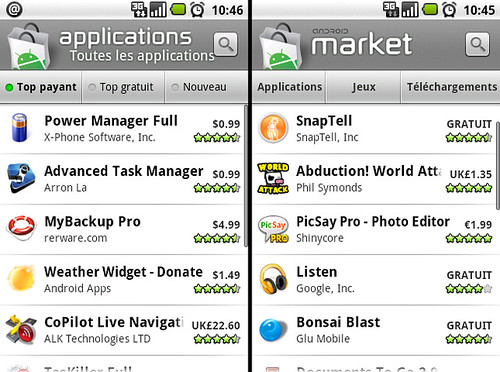
 On the left, an image (credit Ilogan) very similar to what I saw on my SE X10 today. I'm in France, but apps are listed in US dollars, UK Pounds or in Euros (of free "Gratuit")... go wonder why nobody buys anything!!


The issue is that if nobody agrees or find suitable solutions, there will be no eCommerce on mobiles, maybe advertisement, but advertisement for the "real world"; and advertisers will get tired very soon, once the "hype" is over!

Fortunately, there's still the iPhone; where we can still make some income!!

My bet: the way things are currently evolving, I'm placing a bet on credit card issuers like Visa or MasterCard.... But operators still have a good cards in their hands, but they shall use them, and fast!

lundi 26 juillet 2010

OPERATORS AND THE MOBILE CONTENT WORLD

Episode 1. Vodafone 360

The operator's content activities have always been heavily discussed; first talking about the walled-garden vs. the open-garden strategy; and then came the iPhone with its revolutionary App Store. Then everyone, from operators to manufacturers thought: "hum, I can do that too".

Vodafone had then a very good story and a quite successful portal: Vodafone Live! I still remember today that advertisement for French operator SFR showling movie start
Milla Jovovich (for which SFR had some issues with Luc Besson for copying the look of the same star featuring in the 5th element movie).

As any internal system run by a Telco giant and implemented over countless countries, it soon reached its limits in terms of evolution (not counting on internal management of the site; either run globally, then locally, then glocally...). It's indeed very difficult for a company who's core business is still voice, SMS and data to think like a a media company and most of all, as an early innovator on that side; that's inherent to its structure.


That's why many operators included features from specialists to their store, like search powered by Google, Facebook or music (MTV or Rotana in Middle East / North Africa), etc. But surprisingly, they still wanted to run the show on most contents, and apps; or outsource it to some companies with very low margins (if not negative) providing basic services and leading to huge technological gap in just couple years and an offer with low quality (higher margin for provider) contents, if not illegal sometimes for the least regarding opcos (yes, that still exists). Well, saving on CAPEX is one thing, killing your offering is another one.


But as wap fades out and web is taking over on smart phones; well some operator are letting themselves beeing kicked out of the game, either willingly or by lack of vision, reality caught them too fast, unprepared. They never took it seriously to develop their portals, but find out that, hey, there's a business in content / apps on mobile. Now from a marketer point of view, why would you do that? It simply comes down to 2 things: a) they want to control everything that happens on their portal (walled-garden) and b) they never wanted to invest significantly in building an environnent letting their partners do what they are best at. It's like if Vodafone was to run its own News services (with Journalists, etc.)... They don't.
The fact is that they are now all looking at doing their own App Store, but without too much surprises, 3 years after the launch of the iPhone and the App Store; well... can't say there's much success being spreadout over the internet (income wise!!), most stores are still in beta modes (at least when it comes to making money instead of distributing free apps).


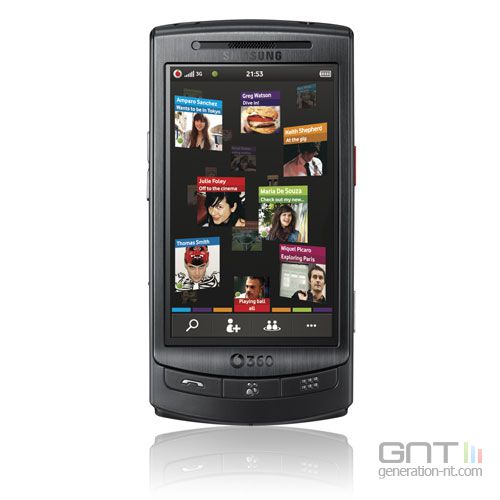
Here's the first illustration with Vodafone 360, their version of App Store. www.vodafone360.com announced end Sept 2009. For the fun of it, here's a little slideshare about the Making of of 360.


While in principle, the idea was quite interesting, binding both phones to a whole environment with Apps and integration of Social networking, synchronized contact infos, as some said "Getting a 360 degree view on my actual social network"; well the realization has becoming much bumpier.

It started with first reviews like this one of consumer's / journalist experience on it. The best is by far this article, astonishing, where a former Vodafone employee would have said "360 will be an absolute and total failure, and then in 5 years they’ll try again".

Then, Tim Green, Chief Editor of online mag "Mobile Entertainment" wrote a nice post back in February "Operator's faith of their ability to be media companies never fails to touch me. [...] Operators can't make it work"


February 2010 - In the same time Vodafone published first figures at the Mobile World Congress about its sales of the 2 Vodafone 360 handsets (300 000 units); planning to ship over 2 million devices capable of running 360 service. So back then, they still had very nice ambitions.

End April 2010 - Vodafone releases the Vodafone 845, the first Android Vodafone phone for the mass market (positionned as low cost). While it is not a "Vodafone 360" phone, it's already loaded with icons leading to Vodafone 360 store. But the Android Market is still there...


May 18th 2010 - Vodafone published really good data revenues, up 19.3% from 2009; mostly thanks to increase of smartphone penetration (with data plans) and update ok PC connectivity Services.

Now at this stage, you could really think as an outsider, that Vodafone 360 could have a bright future; because after all, it's a nice concept and its pushed well on new devices. But 2 main questions still remain: is it done well, and is it really what consumers want?

During a conference in London (June 22nd), Vodafone's content service director Lee Epting suggested that Vodafone is seeing the apps world shift from an a la carte model to subscriptions, bundles and all-you-can-eat models (source).

That's a hell of a shift in terms of business model, but I'm not really sure where does she see that happening in the App World? Was it the first premise of a downturn in the 360 adventure? Now I say why not, but to do that, you must have built consumer's trust in your service. And we're really far from it. The last news (see August, below), confirms it.

In that same interview, Eptin mentioned that "Epting also said that current revenue splits in app stores - which tend to be 70-30 in favour of developers - may need to shift.", which is totally contradicting what she said a month later.


That's a second breaking news, a first shockwave in the Telco industry where the rule (at least in Europe) was the traditional 50/50. But it took them 3 years to realize that, hey, to get quality games and motivated developpers and in the end a good environement with a good value offer to consumers, the 70/30 offered by Apple which made (among other things), its success was not such a bad idea after all. Operators, who were earning on both data charging (data plans, etc) and content purchases but only sharing income on the latest, start to realize (but it's only starting to) that they might have to be less gready if they don't want to see the content purchases go away from them.

- June 14th, Vodafone releases Android version of 360 app store to compete head to head with Android Market on 2 devices; saying it can compete thanks to richer retaiilng experience and simplified operator buying process. - The strangest thing to me is that they are offering 70/30 revenue share to developpers (see article), while on the same phone, through Android Market, developpers can get a 80/20. That's 12,5% less revenues for developers. Well of course you can argue about the chances of making a sale on Android as of today compared to a store with operator billing.

In addition, in an interview of the print copy of July 2010's edition of Mobile entertainment (page 17), Epting said "Android Market stays because it's where users get their software updates from. But we'd remove it if we could". In other words, Android is a clear competitor but they have no choice but leaving it on the phone!! Same story about Nokia's Ovi. This is going to be really, really interesting as ALL manufacturers (major ones) have the same strategy.

- July 20th, Juniper research released a study predicting a huge growth in app store downloads (from 2,6b in 2009 to 25b annually in 2015), mostly due to growth of operators launching their own app stores along those already in the market from various handset vendors; Vodafone 360 among them. Personally, I have always found those researches quite hilarious and extravaguant in the numbers. Downloads, probably yes, but paid downloads?

Best illustration of this is another research, published by ABI research just 2 months before, predicting indeed the downloads to jump from 2.4b in 2009 (hum, different number already) to 6b in 2010 but to stagnate around 7b by 2013 to decrease to 6.5b by 2015. They do not mention Vodafone 360 at all. From 15b to 7b, that's quite a huge gap in predictions to me.

- July 22nd: A month after, Vodafone's content service director admits "that Vodafone has not executed as "flawlessly" with its Vodafone 360 service as Apple has with its App Store", and now envisions a 70/30 type revenue share for its app store (vodafone 360).

So let me think, 3 years to think, plan and develop, and 9 months after launch, they publicly admit that well, they didn't work enough on it to be what he was meant to be. Took them quite some time also to admit that as criticism arose early after launch (problems of lost contact info through synchronization, etc).

- July 27th, 2010: Breaking news, Vodafone cancells its 360-optimised handsets strategy starting with H2 dropped, focusing on the 360 service itself. Is that already the end of the LiMo OS in Europe (see http://www.limofoundation.org/). That's another switch in strategy; which probably makes sense but still, another switch.

It's true that the H1, second of its devices, didn't get the best reviews, with comments like "Unfortunately, we suffered many of the same problems with the M1 as we did with the H1. The phone was sometimes unresponsive, didn’t always sync properly with our email accounts and Facebook updates weren’t reliably shown in the 360 view. Also, as with the H1 the M1 is also lacking support for Twitter, which is annoying on a social networking focused handset. However, Vodafone does plan to add it to the 360 service later this year. " (Trustedreviews)

- August 5th, News comes out in many sites (like this one), that Vodafone pushed an updated of the Android HTC desire to its consumers who where hopping for OS 2.2 and instead just got pushed an update with all Vodafone 360 components. This rose numerous complains from consumers about them not being able to remove those components, or realizing they've been pushed unwanted bookmarks like Match.com and Flirtomatic , etc.


This obviously goes against the principles of smartphones and especially Android, which is an open environment where consumers can choose all the apps according to their preferences, and not according to what the operator wants to sell them. Now whether they did fix this or not, the harm is done and has been brought to the public.

Even further, interviewed by Zdnet, "Vodafone's spokesman confirmed that the Android 2.2 update will automatically include the branding and 360 updates", meaning that "even if people choose to reject the Vodafone app update, they will be presented with the same changes again when the operator issues its eagerly anticipated Android Froyo upgrade". This method goes beyond my understanding. (image credit: thinkcrack.com)

Closing comment

In an interview given to the Financial times in November 2007, as reported by ME, Vodafone's CEO said "He said: "The simple fact that we have the customer and billing relationship is a hugely powerful thing that nobody can take away from us. Whoever comes into the marketplace is going to have to work through us." The title of the article "Voda chief: we're no dumb pipe".

That, by itself, sums it all up: operators have become a bit too arrogant and fail to remember what gives them such a competitive edge. Their core competency is to sell voice through subscription plans (or pre-paid plans), SMS and data access.

In that same June 2010 interview about the launch of 360 on Android, ME Editor said "The operator also believes the simplified operator billed buying process and the bringing together of music, graphics, ringtones, ebooks, video and other 'entertainment' products on the store will make it a stickier site for end-users.

What they do have right is that yes, they still do have a huge asset: the possibility to charge consumers in a seamless manner; which neither Android Market nor Nokia Ovi or any other store can, so far. You have to pull out your credit card, and we're definitely not there yet!

Knowledge of the consumer. Now who's going to make me believe that Vodafone 360 adapts its content according to your gender, age, social status, etc...? In terms adapting your offering according to consumer's preferences, you do not need to be an operator to know that. iPhone showed it very well, and Amazone.com before it.

Personally I think that Vodafone should work with the major trend setters to allow usage of the services consumers want to use (and they don't need Vodafone to tell them), in the easiest manner and with transparent pricing schemes for data, where they make most of the money anyway! And this instead of trying to re-invent the wheel. Vodafone is not an application developper, nor a social network specialist, nor a handset maker, you are a mobile telecommunication operator. We often forget to use that world "telecommunication".

Android market is to become one of the leading app store on android devices, same for Ovi, fine, so help them sell contents using your billing systems.
Help independant businesses sell physical goods or content for their phones using your unique relationship with your customer, instead of trying to sell a one stop shopping point. Doing that, you could overcome Apple's AppStore but this requires revolutionary thinking from your part; which most analyst do not predict so far (see the two forecast mentioned above).

Provide billing services
and charge what visa charges retailers, a very small fee. You'll get overall much more income (on the massive volumes), still get your money on the data usage and avoid spending energy and money on developments which in turn, do not help your brand image.

Think also as a consumer. When I think "Vodafone" service, I want to know about my credit consumption, data usage, etc"; when I want social network I think "Facebook", not Vodafone. So build such applications (a Saudi operator, Mobily, did such app for the iPhone; don't know if it works well, but the idea is definitely here).

For some reason that goes also beyond my understanding, operators very soon understood the benefits of the iPhone; yes they have peanuts revenues from the contents, but what a huge boost in data consumption!!! So operators fought to get it, to break agreed exclusivities, and launch packages around all new devices coming up (iPad, and all the new tablets coming up). Not to mention high monthly subscription plans, etc. Now why do you still want to do the opposite with other handsets while the trends are going in same direction as the iPhone (with more or less success so far)?

Finally, an opportunity but also a threat, data consumption is to explode along with higher penetration of smartphones. Opportunity for operators as a revenue generator (and relay to decreasing ARPU on traditional phones), threat in terms of capacity (techcrunch).

But in the end, should we blame Vodafone for tyring? Definitely not. Intentions where definitely good in an industry where most operators are still waiting for a miracle to happen. But one shall learn from its mistakes.